

Feed Pellet Mill Machine – Industrial High-Quality Animal Feed Making Mill & Production Line Granulator
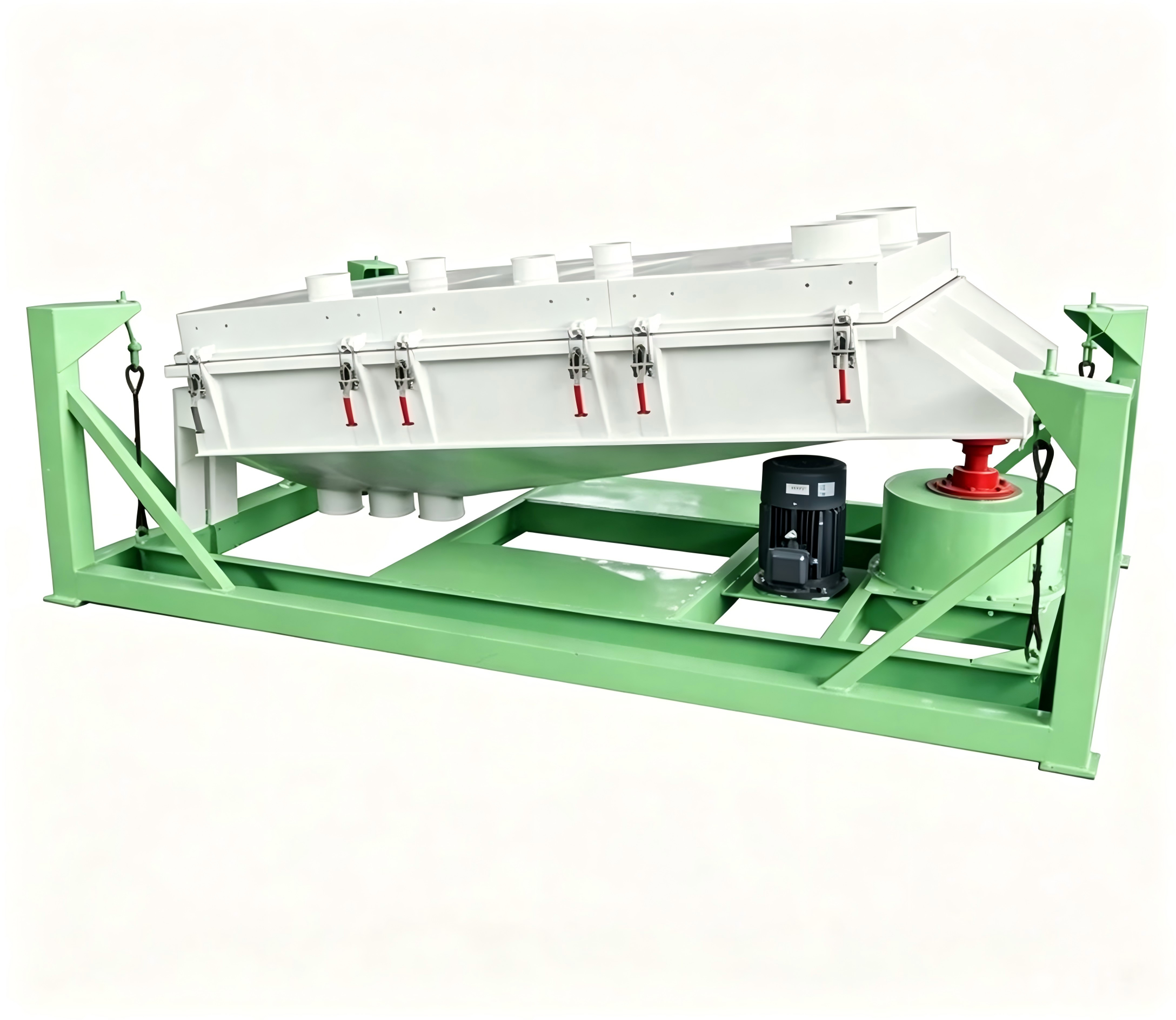
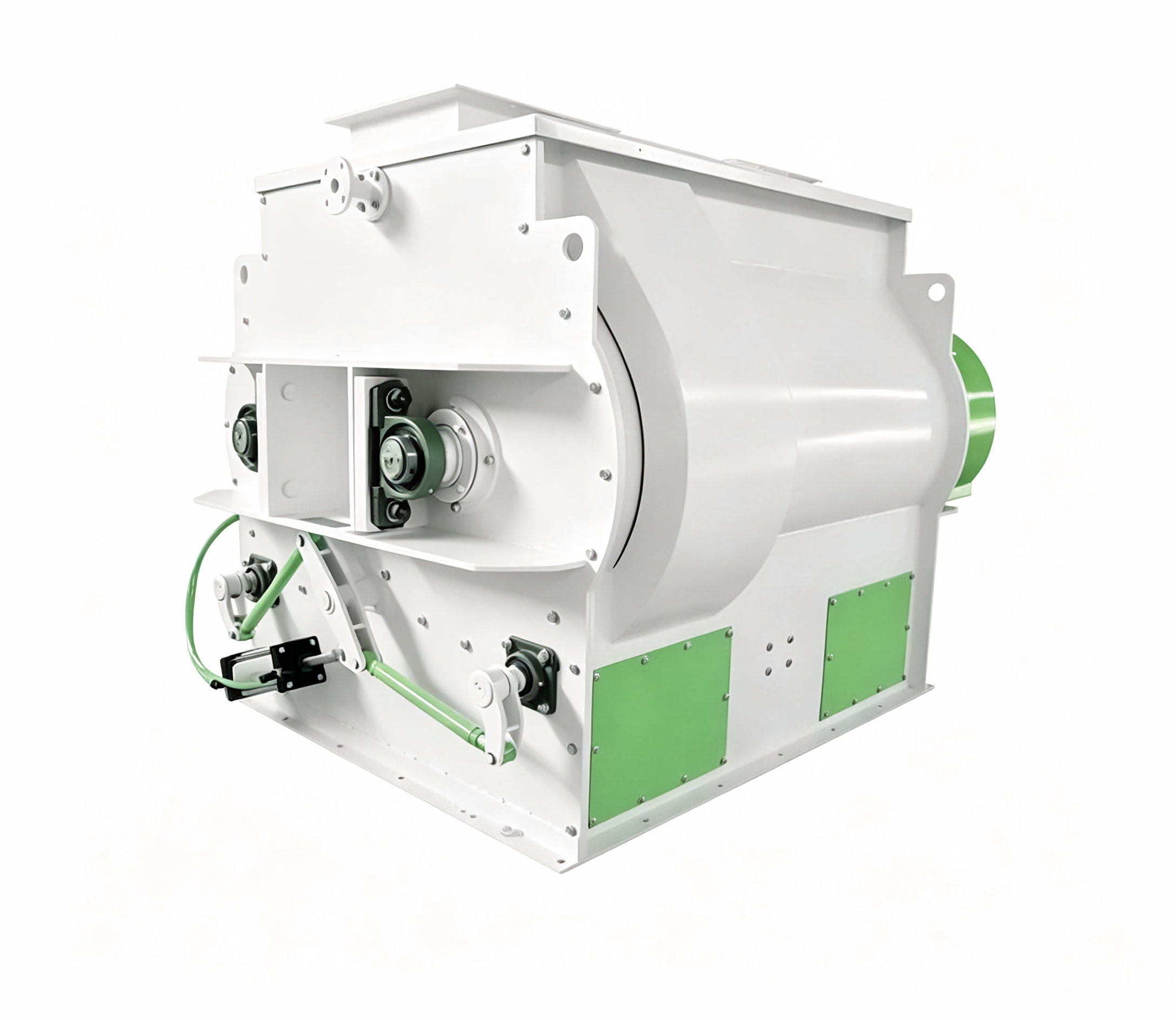
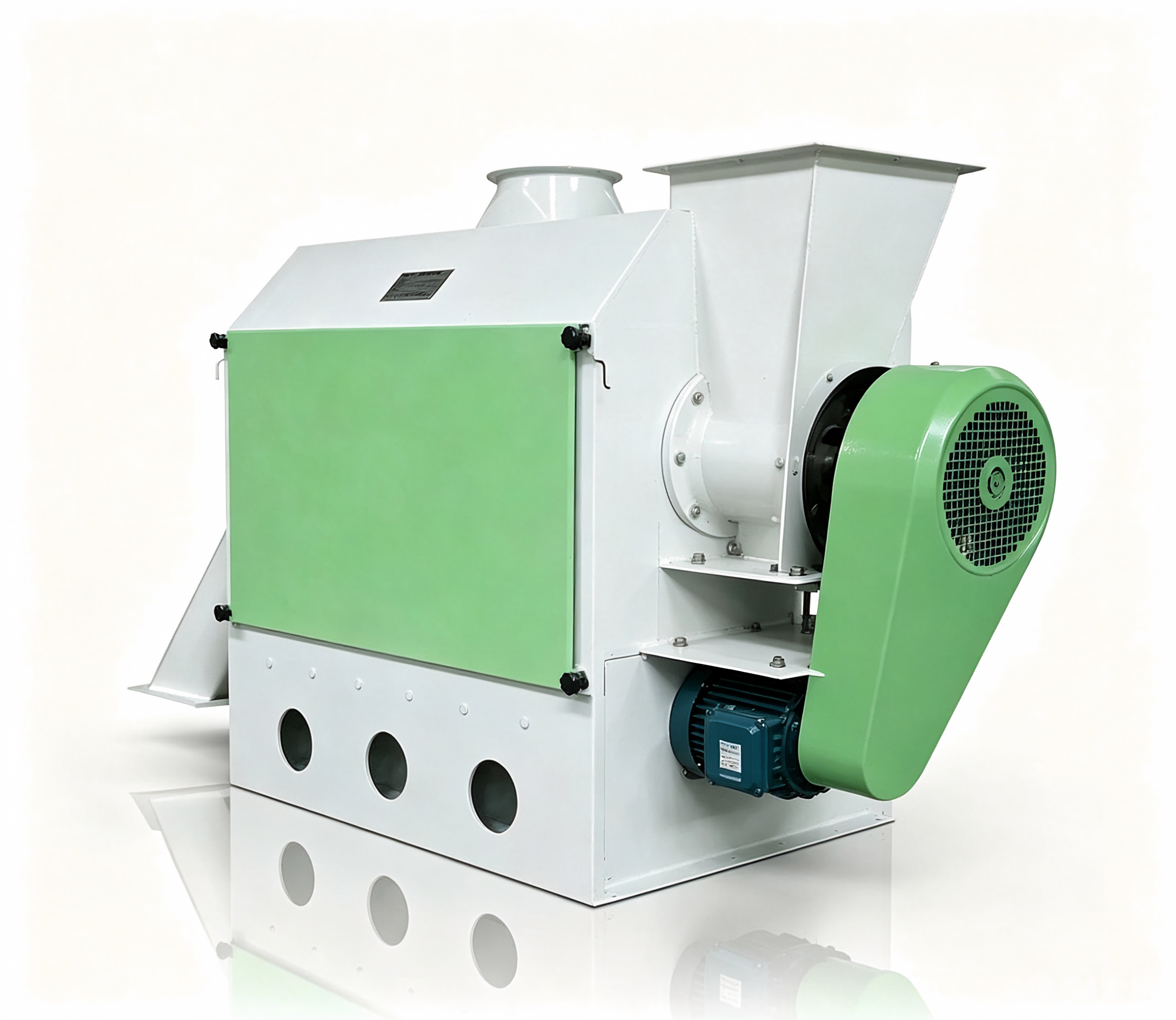
Integrated into complete feed production lines, from grinding to cooling, ensuring seamless material flow and high output efficiency.
Precision-engineered ring die and roller assembly produce durable, smooth pellets suitable for all livestock and poultry species.
Modular design allows easy integration with mixers, conveyors, and bagging systems for turnkey plant solutions.
Feed Pellet Mill Machine – Industrial High-Quality Animal Feed Making Mill & Feed Production Line Granulator
Key Features
-
Complete Production Line Compatibility: Designed as the core granulating unit in fully integrated feed manufacturing systems, including hammer mills, mixers, coolers, and crumblers.
-
Superior Pellet Quality: Produces dense, hard, uniform pellets with minimal powder return, enhancing animal feed intake and reducing waste.
-
Versatile Raw Material Processing: Handles corn, soybean meal, wheat bran, fish meal, and additives for customized feed formulas.
-
Industrial Durability: Heavy-duty main shaft, SKF bearings, and hardened gearbox components withstand high-pressure extrusion.
-
Energy-Optimized Operation: Direct-drive motor and frequency-controlled feeders reduce power consumption per ton.
Technical Specifications (SYLH Series)
| Model | SYLH320 | SYLH350 | SYLH400 | SYLH420 | SYLH508 | SYLH678 | SYLH768 |
|---|---|---|---|---|---|---|---|
| Main Power (kW) | 37/45 | 55 | 75/90 | 90/110 | 132/160 | 185/200 | 280/315 |
| Feeder Power (kW) | 1.1 | 1.5 | 1.5 | 1.5 | 2.2 | 2.2 | 2.2 |
| Conditioner Power (kW) | 2.2 | 3 | 5.5 | 5.5 | 7.5 | 11 | 15 |
| Ring Die Inner Diameter (mm) | 320 | 350 | 400 | 420 | 508 | 678 | 768 |
| Pellet Size (mm) | 2-12 | 2-12 | 2-12 | 2-12 | 2-12 | 2-12 | 2-12 |
| Capacity (t/h) | 2-4 | 3-6 | 4-11 | 5-12 | 6-20 | 8-25 | 15-28 |
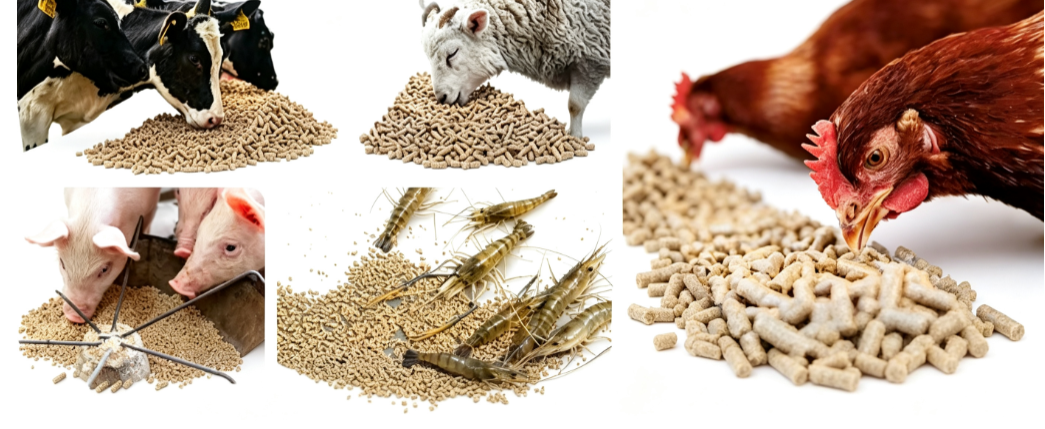
Typical Applications
-
Poultry feed: Broiler, layer, and breeder pellet production.
-
Swine feed: Piglet creep feed, grower, and sow pellets.
-
Ruminant feed: Cattle and sheep compound feed pellets.
-
Aquafeed: Floating or sinking pellets (with extrusion pre-conditioning).
Why Choose This Machine for Your Feed Line
-
Scalable from single-machine operation to fully automated production lines.
-
Low maintenance with quick-access die and roller change system.
-
Consistent granulation reduces recirculation load and increases overall line efficiency.
-
Backed by comprehensive spare parts support and technical service.
Frequently Asked Questions (FAQ)
Q1: Can this machine be integrated into an existing feed production line?
A: Yes. The SYLH series is designed with standardized inlet and outlet connections, making it compatible with most existing hammer mills, mixers, coolers, and bagging systems. Our technical team can provide integration guidance based on your current line layout.
Q2: What is the difference between a ring die pellet mill and a flat die pellet mill?
A: Ring die mills are designed for industrial-scale production with higher output, better energy efficiency, and longer die life. Flat die mills are more suitable for small farms or home use with lower capacities. The SYLH series ring die mills are the professional choice for commercial feed manufacturing.
Q3: How do I change the pellet size?
A: Pellet size is determined by the ring die hole diameter. To change from 2 mm to 12 mm, simply replace the ring die with the desired specification. Die change typically takes 30–60 minutes with standard tools, and optional electric lifting devices are available for larger models to simplify the process.
Q4: What maintenance does the machine require?
A: Routine maintenance includes:
-
Daily: Check lubricant levels and inspect for unusual noise or vibration.
-
Weekly: Clean the magnetic separator and inspect roller wear.
-
Monthly: Check belt/gear tension and ring die condition.
-
Annually: Replace bearings and seals as needed.
Models with automatic lubrication systems reduce manual maintenance frequency significantly.
Q5: Can it process high-moisture or high-fat ingredients?
A: Yes, with proper conditioning adjustment. The variable-speed conditioner allows precise control of steam addition and retention time. For high-fat formulations (above 8%), we recommend using a fat coater after pelleting to maintain pellet hardness and reduce die wear.