

Waste Wood to Biomass Fuel: A Complete Processing Solution
Waste Wood to Biomass Fuel: A Complete Processing Solution
Executive Summary
Waste wood represents both a disposal challenge and a significant energy opportunity. For large-scale biomass thermal power plants and fuel processing centers, transforming waste wood—including pallets, logs, particleboards, and branches—into high-quality biomass fuel requires a reliable, high-capacity processing system. This solution outlines a comprehensive wood recycling production line designed to maximize efficiency, reduce operating costs, and deliver consistent fuel specifications for downstream energy generation.
The Challenge
Businesses managing large volumes of wood waste face mounting pressures: rising disposal costs, shrinking storage space, and the need for sustainable energy solutions. Waste wood that is simply discarded represents lost value. Yet processing it into biomass fuel requires equipment capable of handling diverse feedstocks while delivering consistent output sizes suitable for boilers or pellet production.
Key challenges include:
-
Feedstock variability: From bulky logs and pallets to branches and particleboard
-
Output specifications: Biomass boilers and pellet mills require specific particle sizes
-
Contaminant management: Nails, dirt, and other debris must be removed
-
Continuous operation: Large-scale facilities cannot tolerate frequent downtime
The Solution: Three-Stage Processing Line
A complete wood recycling solution employs a three-stage approach, with each stage optimized for specific processing requirements. The system is designed for high-capacity, uninterrupted operation—essential for large biomass fuel processing centers and cogeneration plants.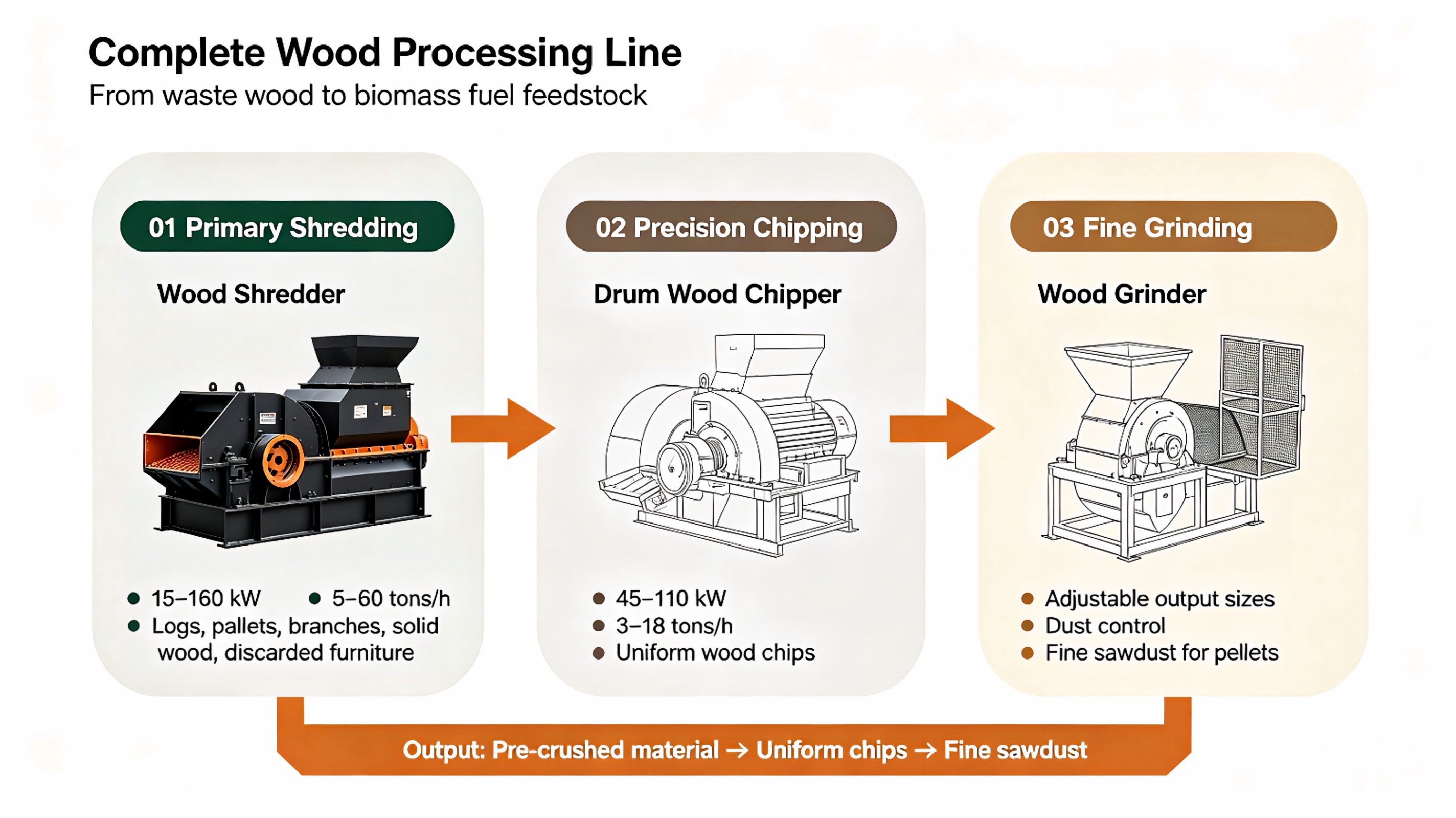
Stage 1: Primary Shredding – Industrial Wood Shredder
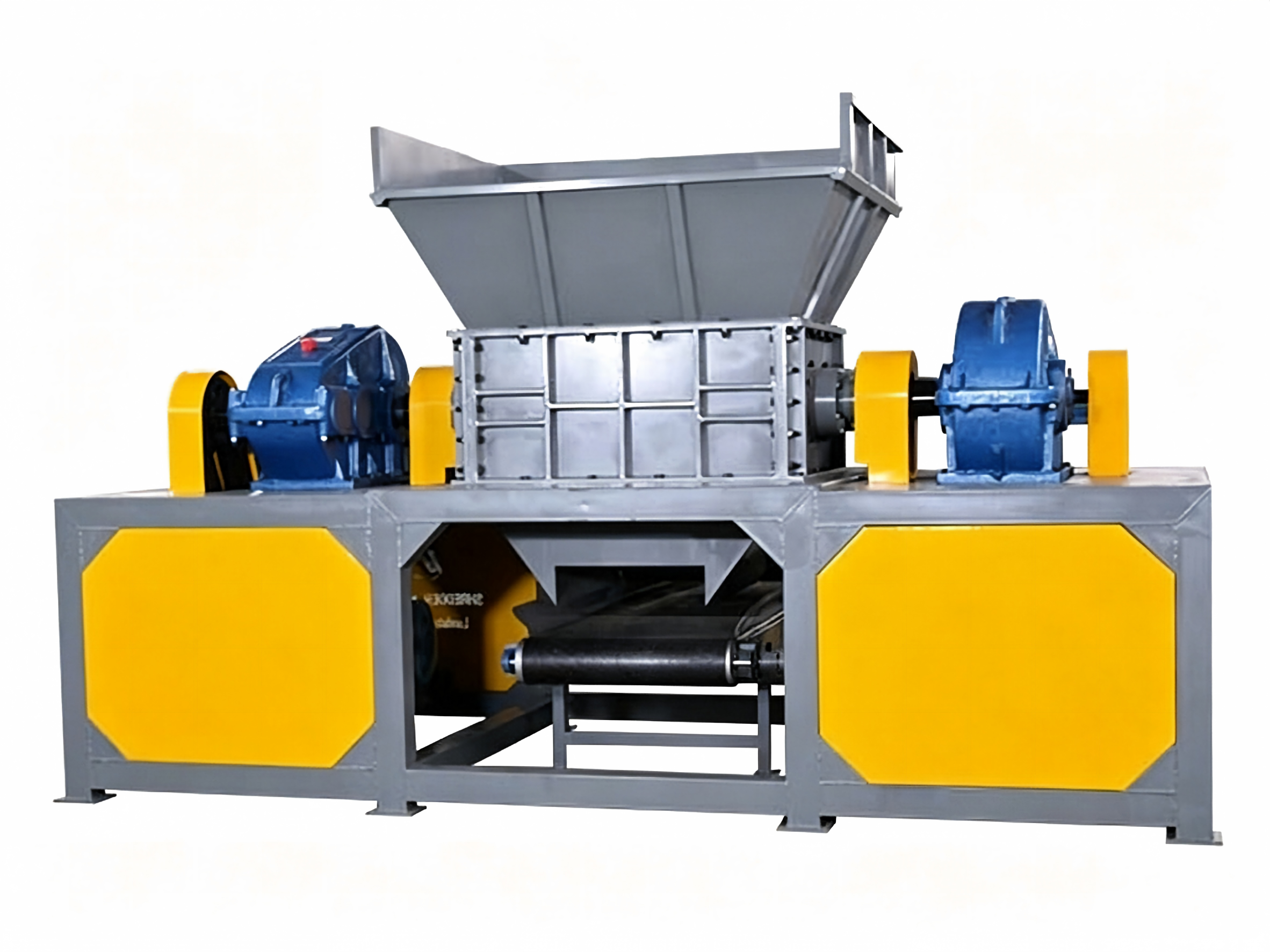
The industrial wood shredder is the ideal choice for high-capacity primary reduction. Its high-torque, low-speed design provides several critical advantages:
Key Features:
-
High-torque, low-speed operation for processing tough materials
-
Suitable for logs, wooden pallets, branches, solid wood products, and discarded furniture
-
Handles contaminated materials effectively
Why It Works:
The high-torque, low-speed operation ensures efficient processing of even the toughest materials while minimizing wear and energy consumption. This design handles contaminated materials more effectively than high-speed alternatives, making it suitable for mixed waste wood streams.
Output: Material reduced to sizes suitable for downstream processing, ready for the next production stage.
Stage 2: Precision Chipping – Wood Chipper
For applications requiring finer dimensions, the drum wood chipper provides controlled size reduction. This machine uses sharp knives mounted on a rotating drum to produce uniform, high-quality wood chips.
Key Features:
-
Sharp-knife design for clean, uniform chips
-
Suitable for logs, wood branches, veneer, and bamboo
-
High efficiency for processing clean woody material
Why It Works:
Chippers are significantly more efficient than grinders for processing clean woody material, with feed rates approximately four times faster. The drum chipper design is particularly effective with crooked limbs and forked branches, producing consistent chips ideal for biomass fuel applications.
Output: Uniform chips meeting specification requirements for biomass fuel or pellet production.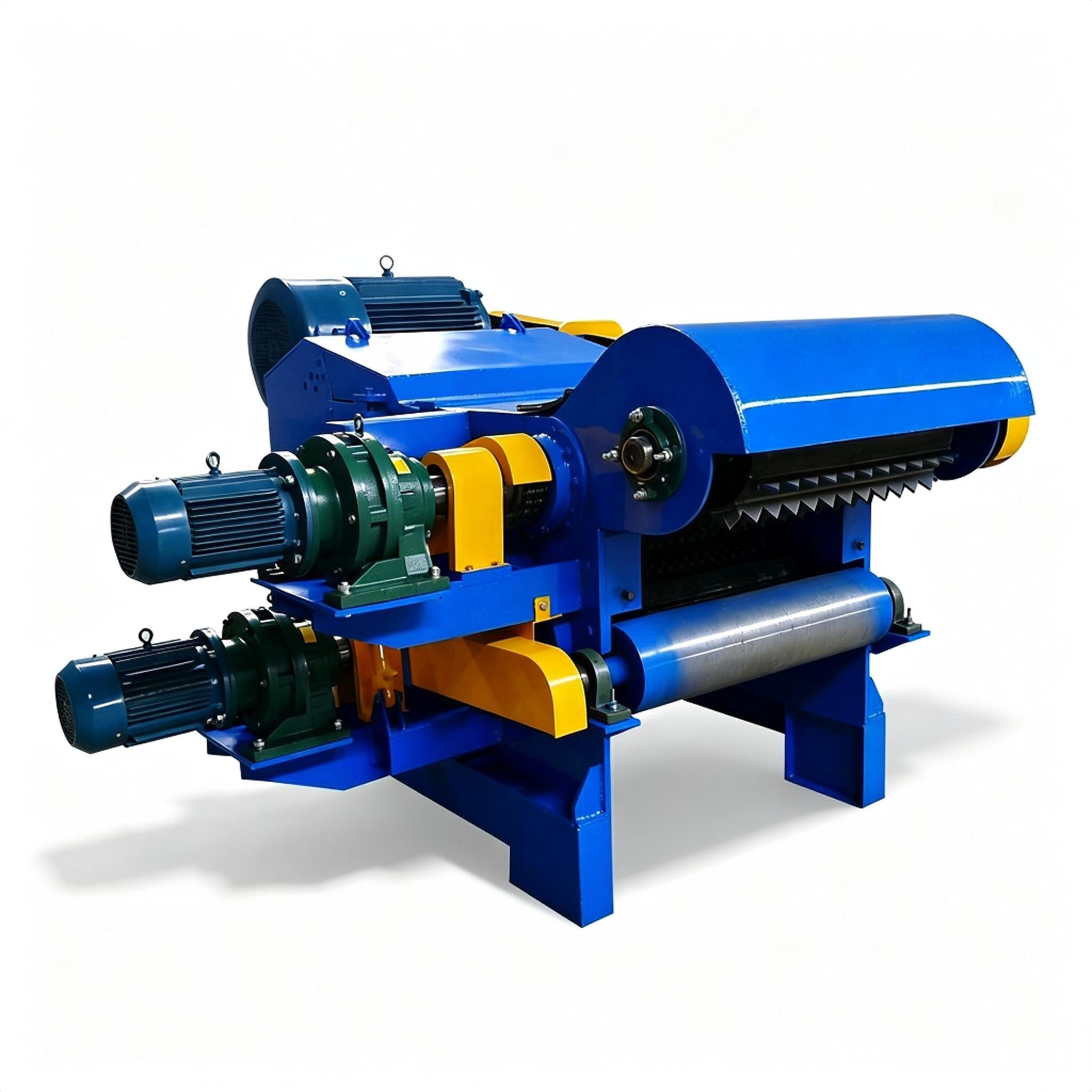
Stage 3: Fine Grinding – Wood Grinder
When the end application requires fine particle sizes—such as sawdust for pellet production—the wood grinder completes the processing line. Through reasonable design, the entire crushing process is more environmentally friendly with reduced dust generation.
Key Features:
-
Flexible screen configuration for adjustable output sizes
-
Multiple hammer insert options for different materials
-
Engineered dust control for reduced emissions
Why It Works:
Grinders offer exceptional flexibility in achieving specific particle sizes through combinations of hammer tips and screen sizes. This versatility ensures the system can meet varying end-user specifications for sawdust, biomass fuel, or pellet feedstock.
Output: Fine particles suitable for pellet production or direct combustion applications.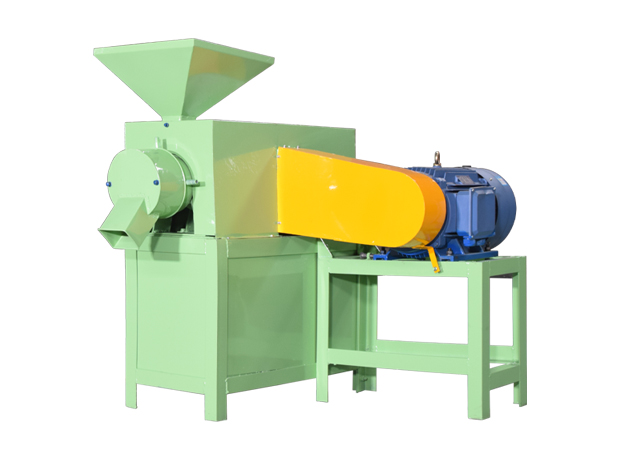
Integrated System Benefits
1. Reduced Volume, Lower Costs
Shredding waste wood significantly reduces material volume, cutting transportation and disposal costs while freeing valuable storage space.
2. Value Creation
Waste wood becomes a revenue-generating resource—biomass fuel that can power thermal plants, heat facilities, or be sold to energy producers.
3. Single-Machine Efficiency
The primary shredder processes multiple material types in one machine, eliminating the need for pre-sorting and reducing capital investment.
4. Uninterrupted Operation
Stable performance and robust construction make this equipment ideal for 24/7 operation—essential for large-scale fuel processing centers.
5. Cleaner Final Product
Magnetic separation options remove nails and metal debris during processing, delivering clean, burn-ready fuel.
Customized Design and Support
Every operation has unique requirements. A comprehensive solution includes:
-
Application Assessment: Analysis of your specific wood feedstock types
-
Capacity Planning: Recommendations based on required throughput
-
Configuration Optimization: Selection of appropriate shredder, chipper, and grinder models
-
Integration Support: Design assistance for complete production lines
-
After-Sales Service: Ongoing support to ensure smooth operation


